This is a privately maintained blog; the expressed views and opinions on this website are the author's alone, and do not represent those of the United Nations system, the Falls Church Volunteer Fire Department, the Arlington County Fire Department, the governments of the City of Falls Church and Arlington County, or any other government, organization, entity, association (you get the picture) mentioned in this blog unless otherwise specified.
At approximately 1351 hours EDT on 23 August 2011, a 5.9 magnitude earthquake struck in the Washington DC/Northern Virginia Area. The epicenter was located near Mineral, Virginia, approximately 131 km (82 mi) south-southwest of Washington DC. Tremors from this earthquake was felt as far as Manhattan and Niagra Falls. The location is referred to by the US Geological Service as the Central Virginia Seismic Zone.
Follow the links below for more interesting information on the recent earthquake and the Central Virginia Seismic Zone:
It’s been a while since I have last posted something, and I had good reason.
Over the past several months, I have been preparing myself to move to Nairobi, Kenya, after accepting an offer to work for the Security and Safety Service (SSS) of the United Nations Office at Nairobi (UNON).
This does not necessarily mean that I won’t be posting anything related to the topic of fire prevention and emergency management/response/mitigation, as the job that I have accepted actually encompasses all of these.
As the Assistant Chief of the SSS, I am also responsible for fire response on the compound.
It didn’t take me too long to find that there was a lot of work to be done, and while I won’t be sharing the specifics of how we operate here, there is benefit from sharing what I have learned.
For now, I’m going to concentrate on staying warm and learning how to do the job that I have started on July 28.
This job provides a lot of opportunities for myself at the supervisory level, and is a good combination of security work and emergency response.
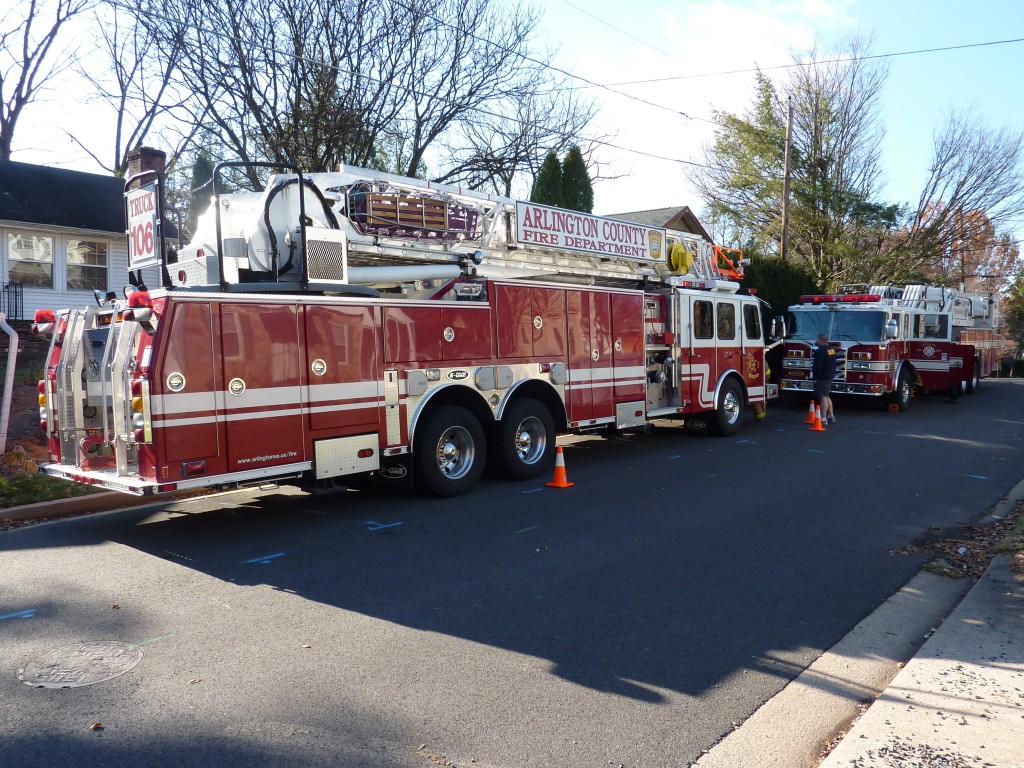
On December 26, 2009 (approximately 4 hours after getting off my 13.5-hour non-stop flight from Seoul, South Korea) I managed to hop on Truck 106 on a call for a house fire at fire box 7216.
This would be my first working house fire call.
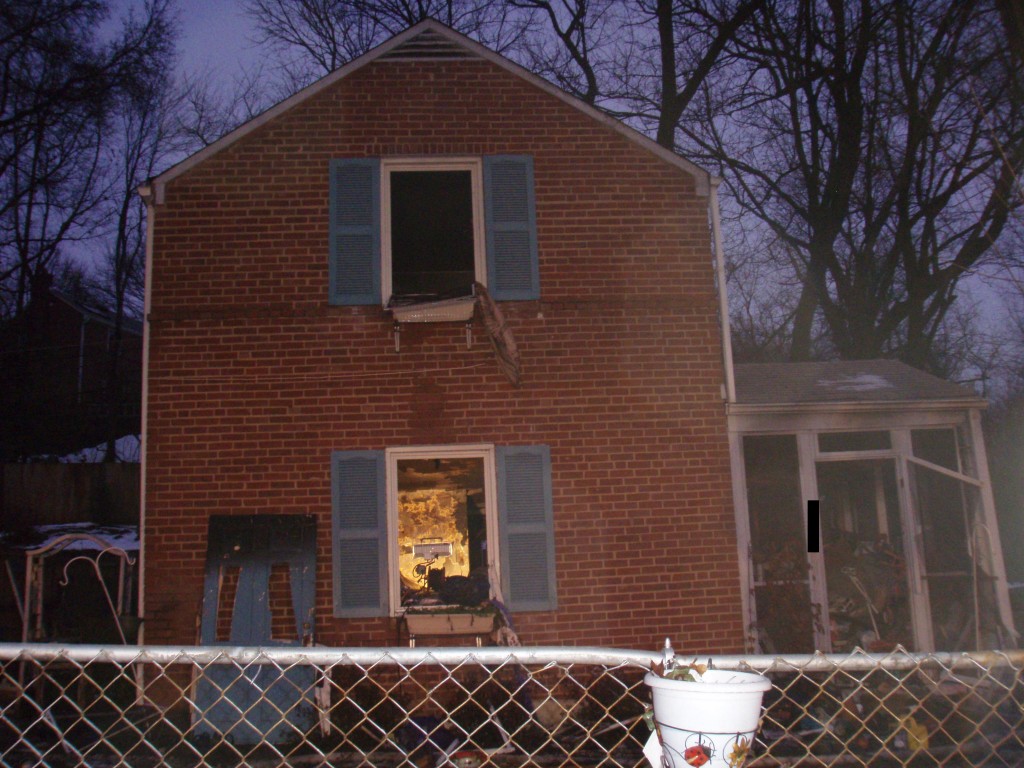
We arrived on scene for a two-story single family dwelling with flames showing on the Alpha side of the first floor.
First and second due engines deployed the primary and secondary attack lines and made entry from the front door on the Bravo side, where they attacked the fire in fully involved living room.
The incident lasted well over an hour, with the incident commander striking a second alarm and calling in Light and Air 103 and Canteen 106.
A couple of points worth mentioning from this call:
– The 28′ extension ladder is a pain to carry by yourself, but is doable. I had to carry the thing to the Charlie side of the structure to ventilate the second floor window. That being said, firefighters should practice and develop a sense of what ladder you would need, and how much you have to extended before deploying it to a building. They say this comes with lots of practice and experience. And as always, CHECK FOR OVERHEAD OBSTRUCTIONS!!!
– The structure appeared to be of Type III construction, with brick walls on the exterior and concrete floors on the first and second floors. While it is not impossible to breach the brick walls in order to escape from the structure, the task is obviously much more difficult than in a Type IV or V. Assessing building construction upon arrival on scene would go a lot way in preparing yourself before entering the building (i.e. what tools do you need? what hazards do I need to look out for? How would it affect my tactics inside the building?)
– The call involved a hoarding situation at the residence. Hoarding can create dangerous conditions for firefighters as the excess contents are literally fuel just waiting to be burned, causing rapid development and spread of the fire.
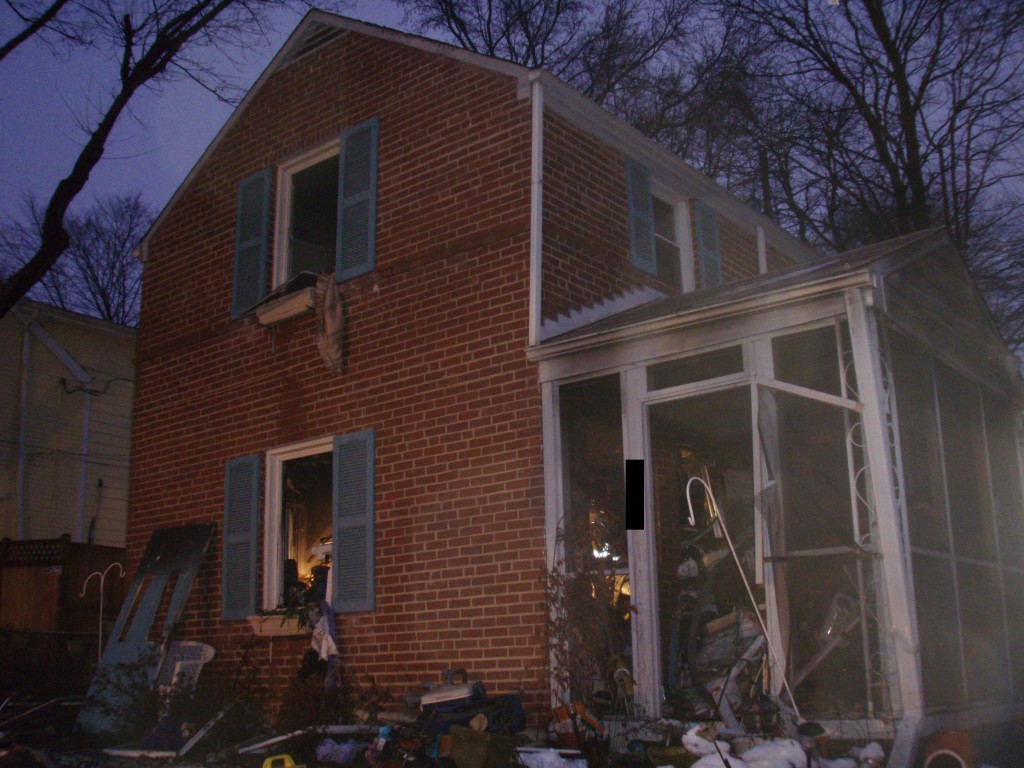
– Hoarding can also creates numerous obstacles and causes problems for advancing and retreating attack lines, as well as search and rescue. The photos below shows just how much stuff had to be pulled out for overhaul. The pile on the front door was just part of a larger pile still in the living room.
– Hoarding can also cause some disorientation, especially in sensory-deprived environments. Piles and piles of junk could change how the room and the floors are perceived by firefighters and cause confusion while conducting search and rescue. This could lead rescuers to get lost, stuck, or even crawl out a roof, thus prompting a subsequent mayday and RIT activation .
– Red hats have a lot of external work to do on the fire ground! (Nuff said.)
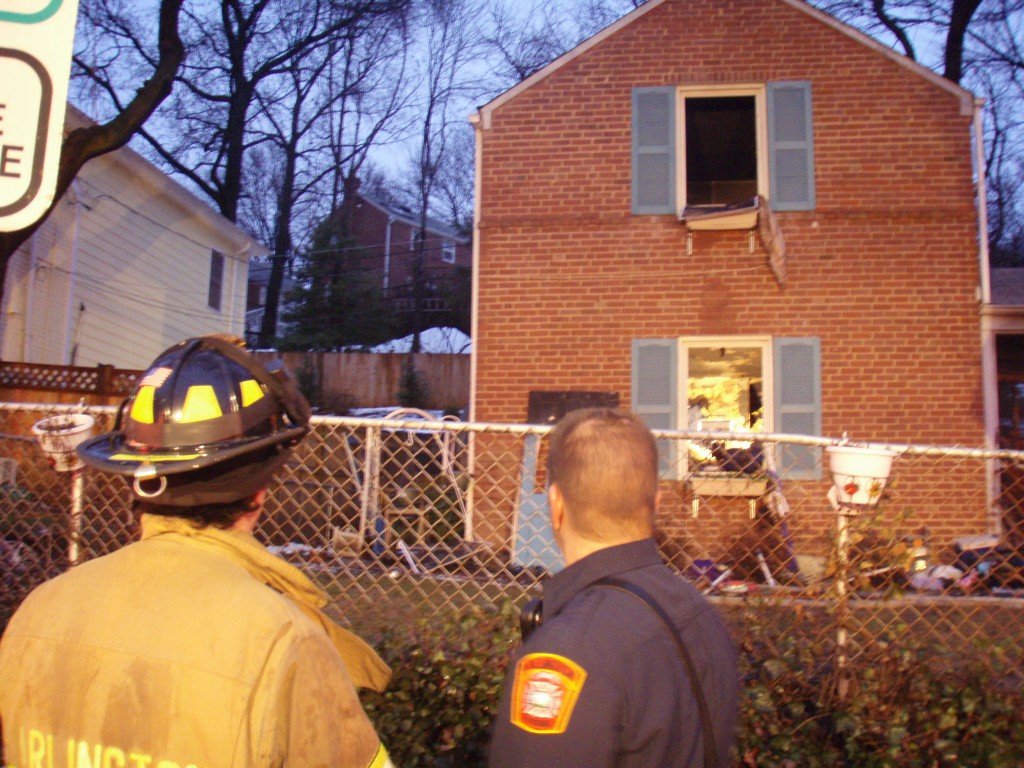
Two-story single family dwelling at box 7216. The living room was fully involved upon arrival on scene.
Two-story single family dwelling at box 7216. Notice the pile of household items in front of the front door.
This was part of a larger pile in the living room, which measured about a foot high from the floor.
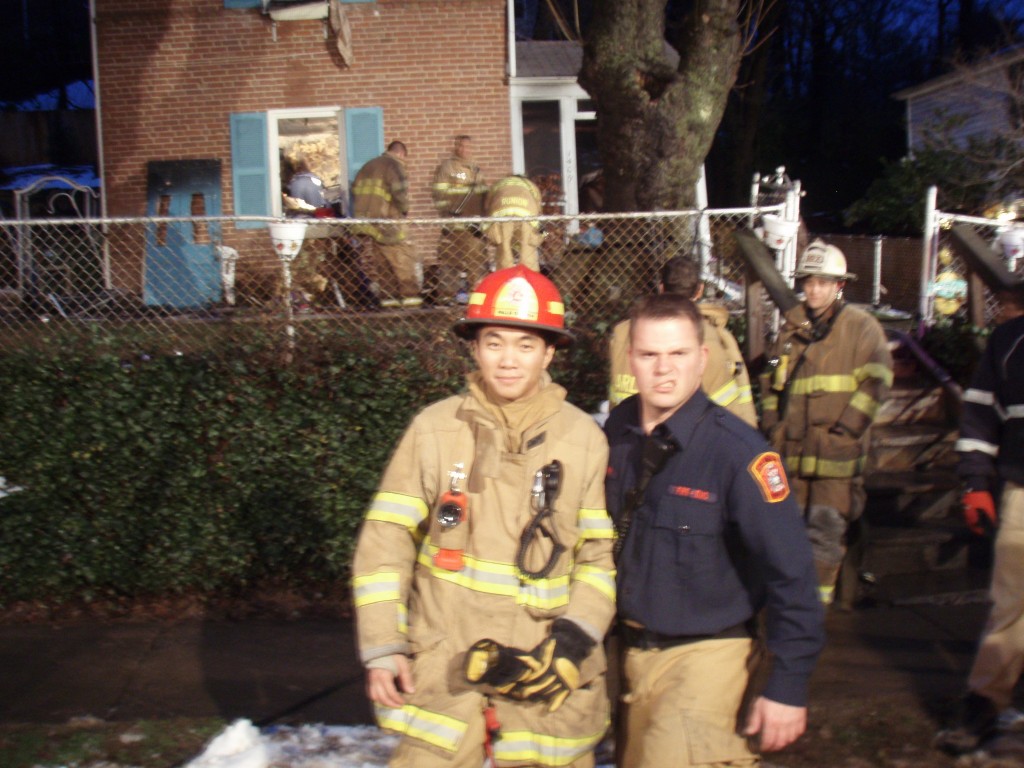
ACFD firefighters on Truck 106 after completing overhaul operations at Box 7216
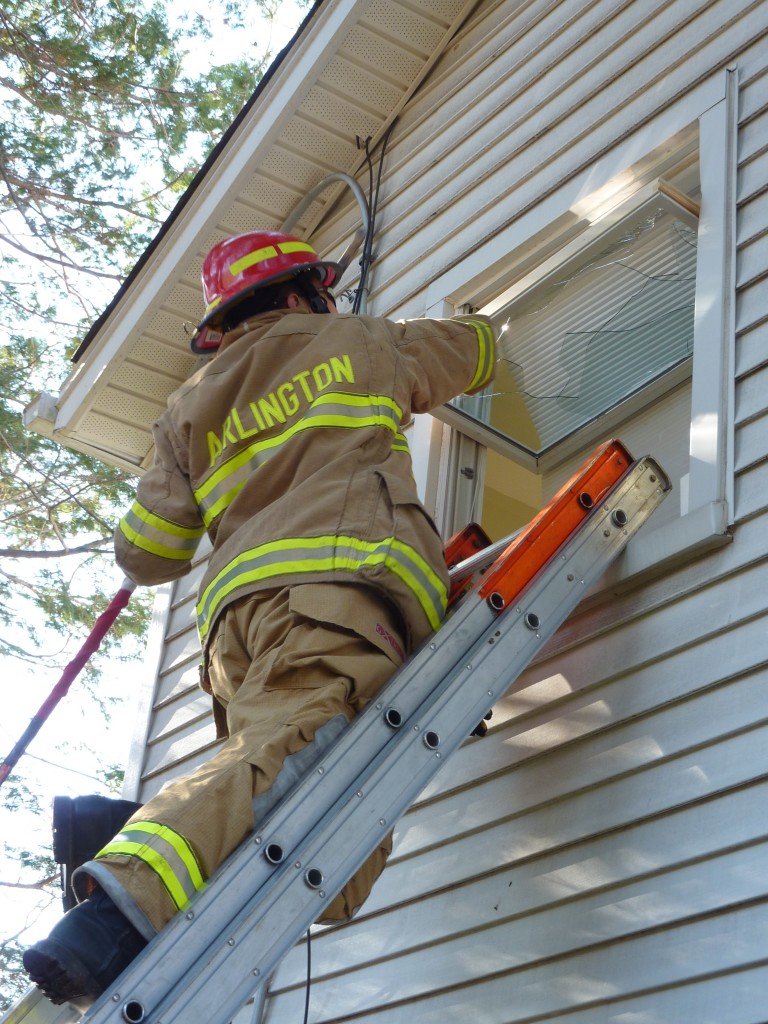
I dug up some photos from training on an acquired structure back in December that I had completely forgot about.
Yes, in a real situation, I would have my SCBA on.
Pulling the window open. this window opened inward from the middle when we slammed the tip of the ladder into it. Even one of the old time career guys on Truck 106 said “Hmm… that’s new.”
“The [Cheju Halla-Stony Brook Emergency Medicine Center based at Cheju Halla College on Jeju Island] was designed to establish an ongoing exchange between the two educational institutions for the purpose of promoting excellence and development in EMS. The partnership has spearheaded a variety of initiatives, including organization of international conferences on trauma and EMS, establishment of such certification programs in Korea as ACLS and BLS, visiting professor programs, student exchange programs, curriculum evaluation and improvement, as well as multiple other innovative enterprises.”
I briefly mentioned the need for such program in a previous posting:
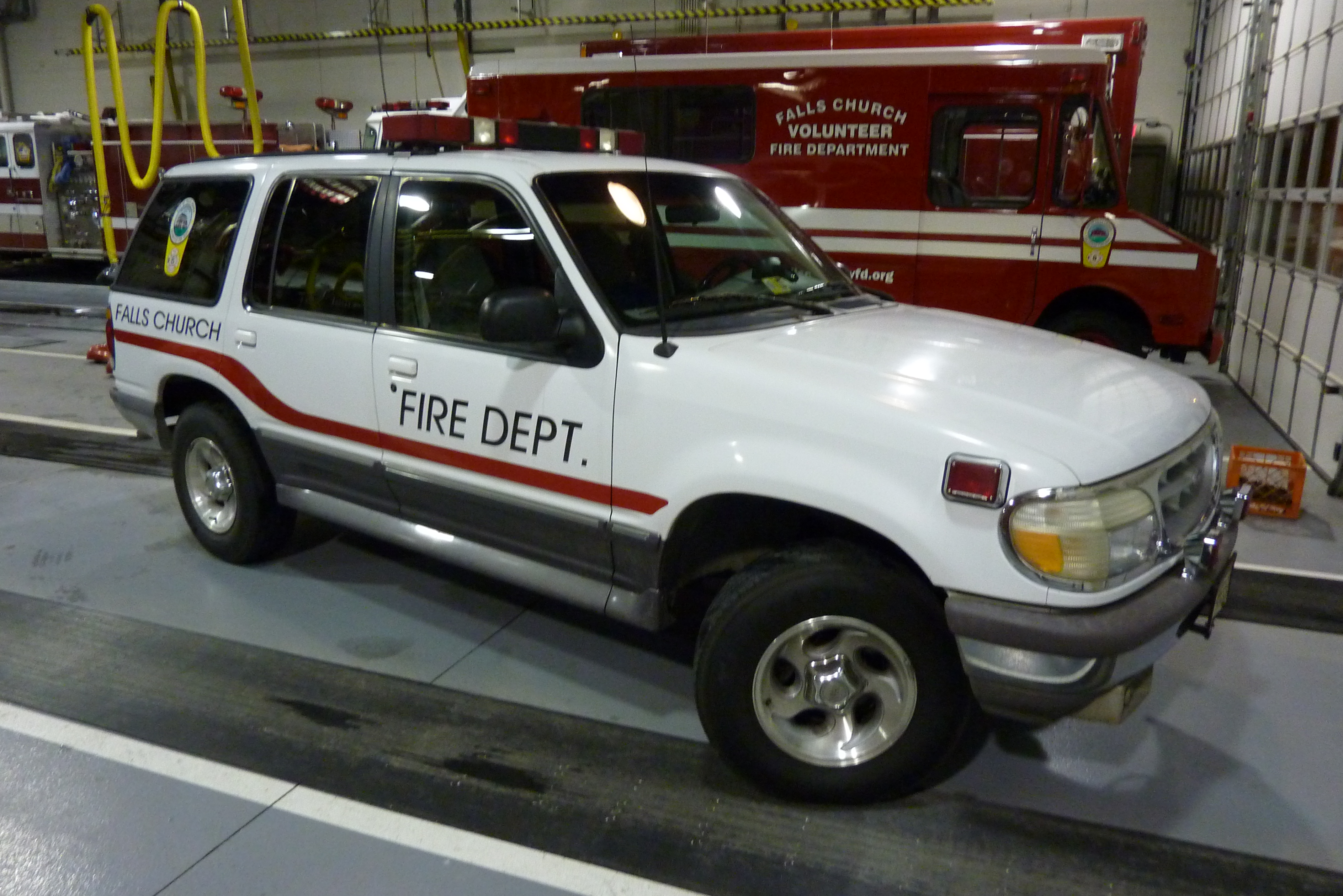
This is what being a volunteer in the City of Falls Church is all about.
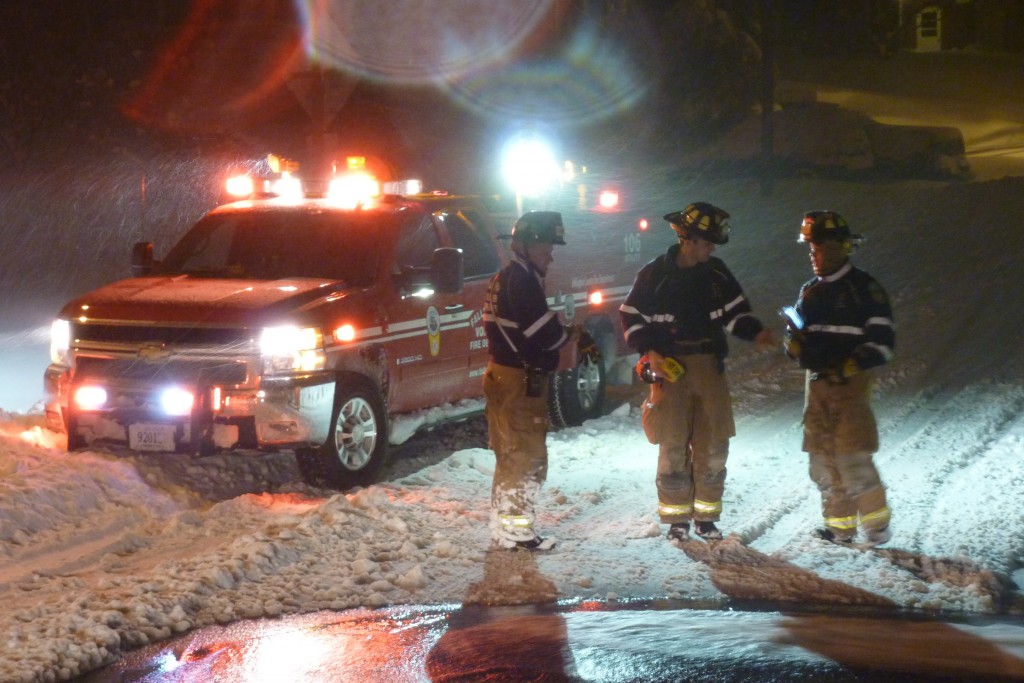
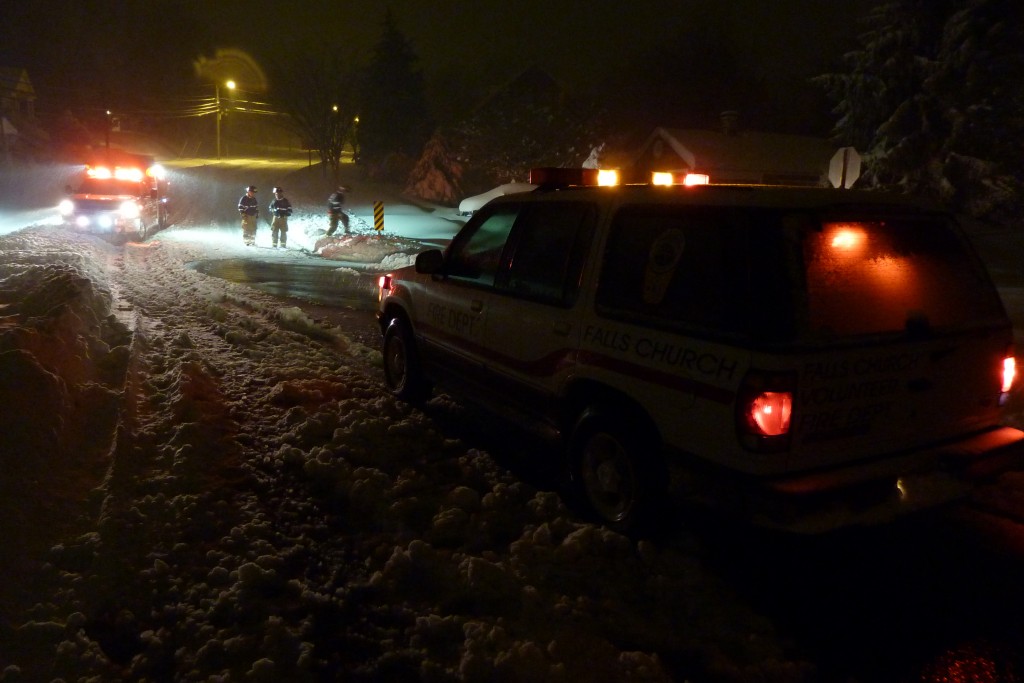
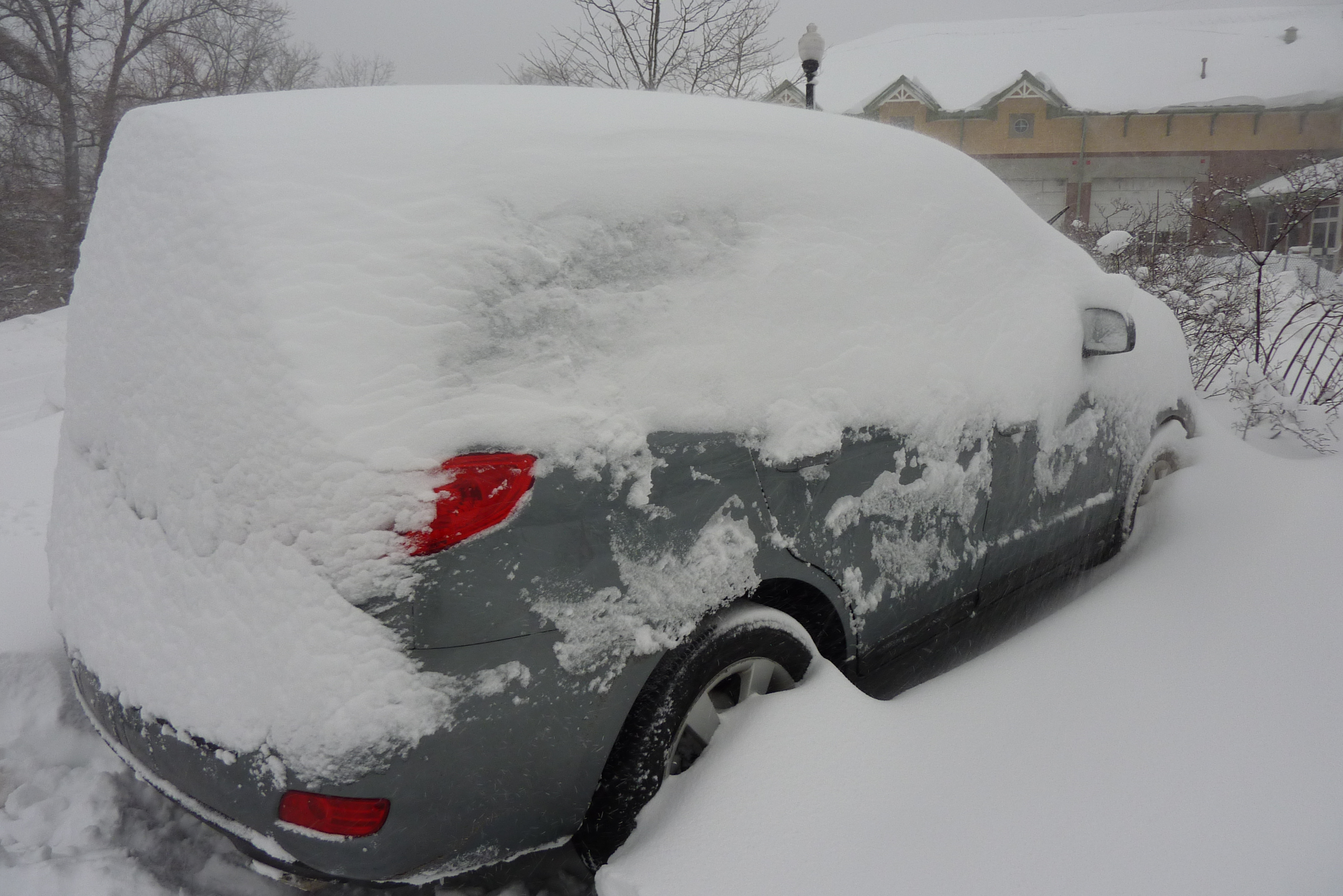
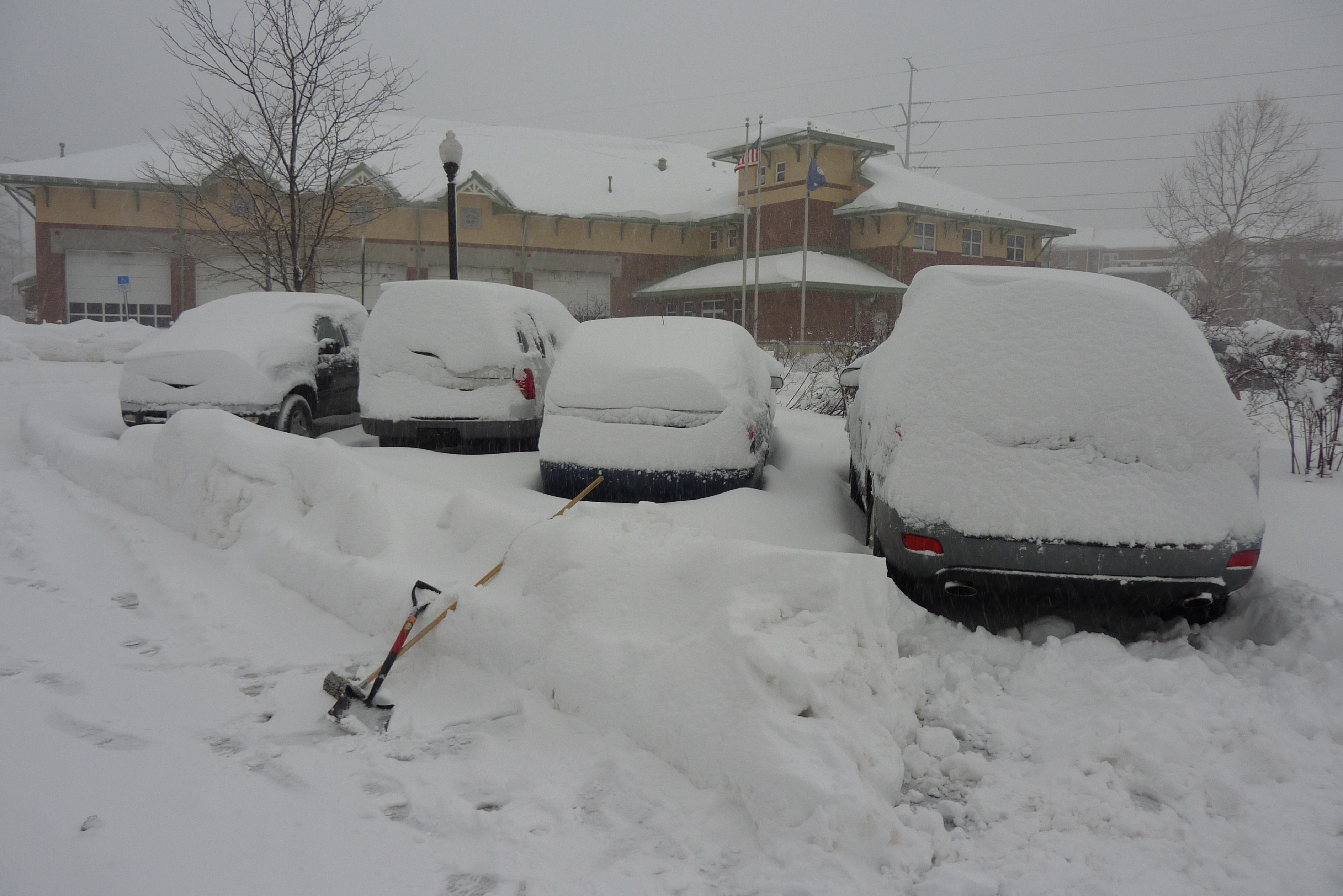
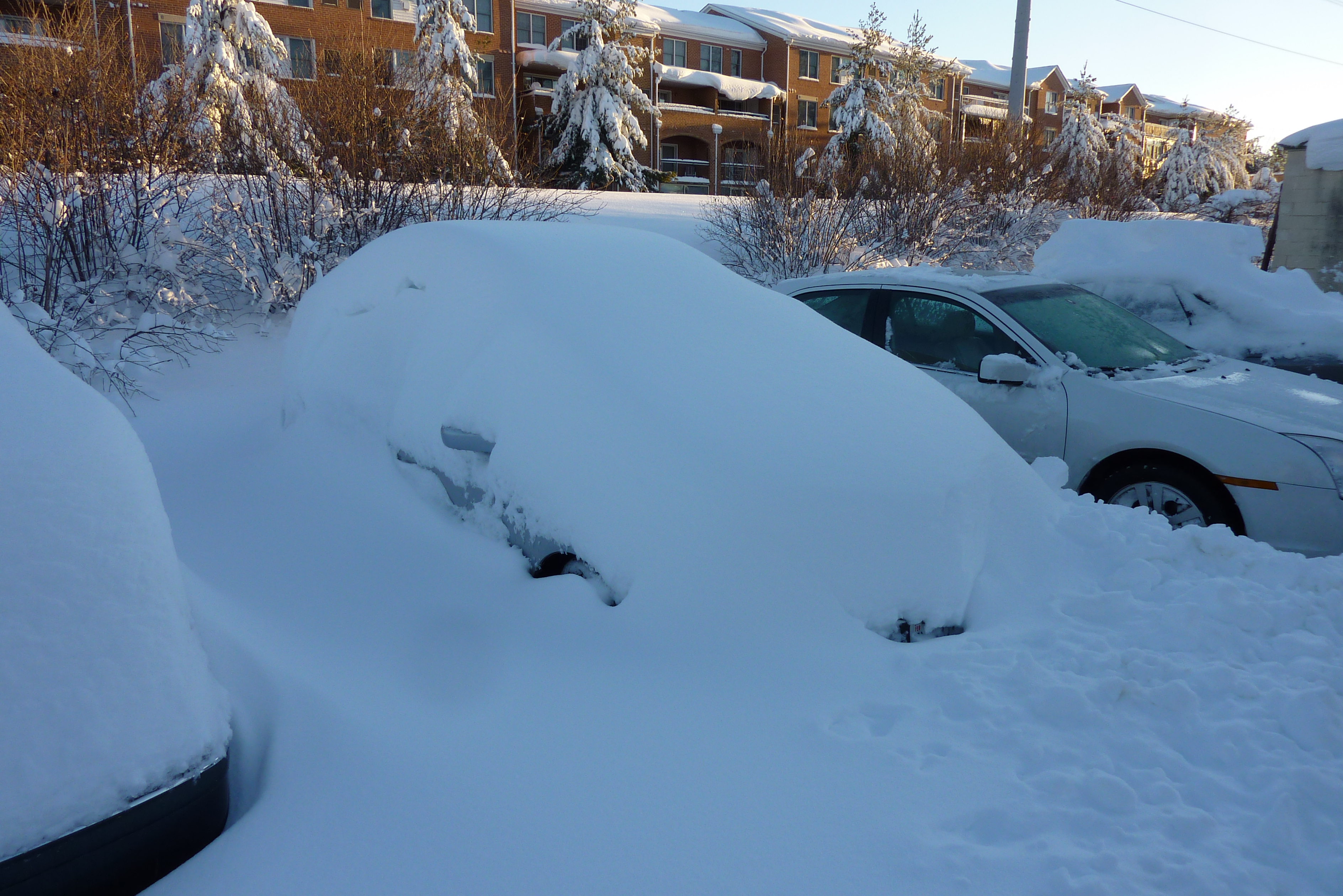
The DC-VA-MD area saw a record snowfall of up to 30 inches Feb. 4-10 over two separate snow storms that swept through the mid-Atlantic.
At the request of the Arlington County Fire Department, the FCVFD put into service two Utility units, two BLS ambulances, and the Light & Air unit to support emergency operations during the storms.
This was perhaps the largest operation the department undertook, only rivaled by our response during Hurricane Isabel in 2003.
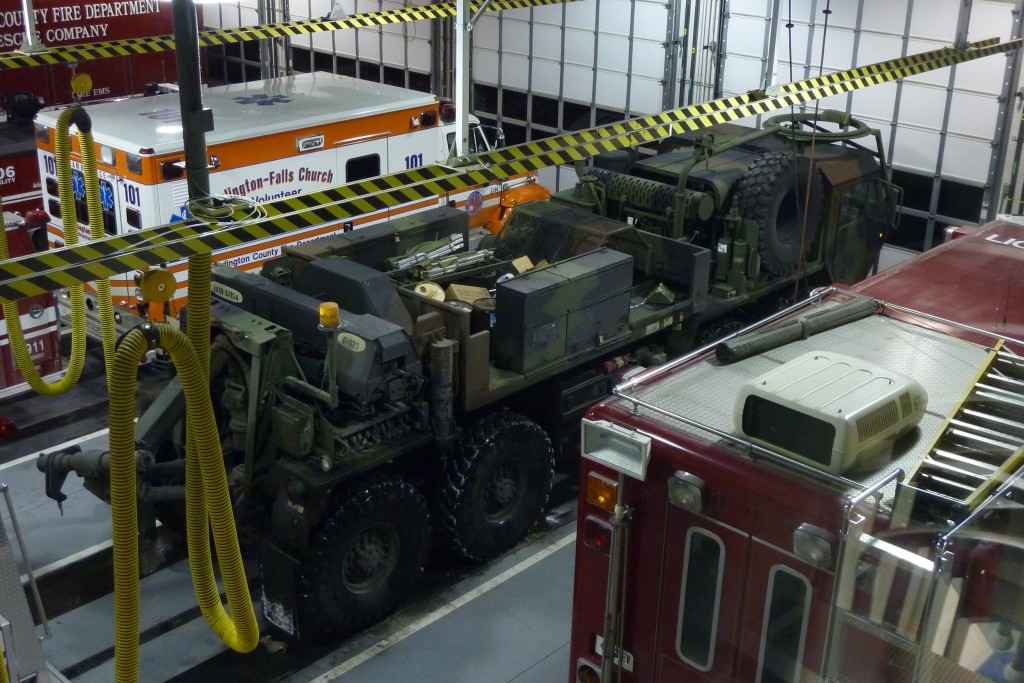
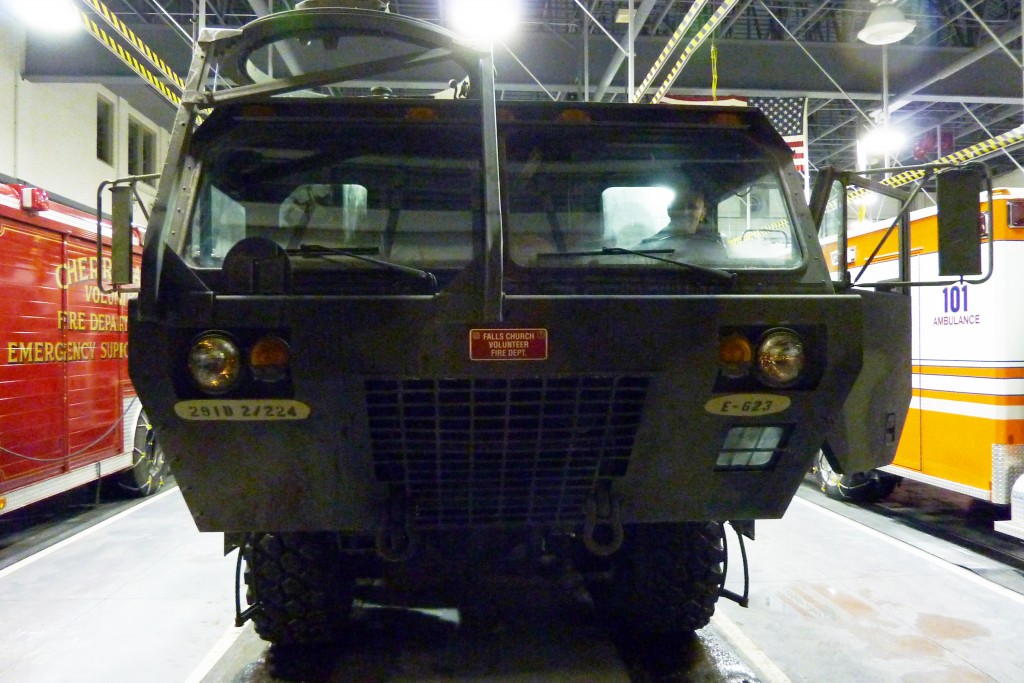
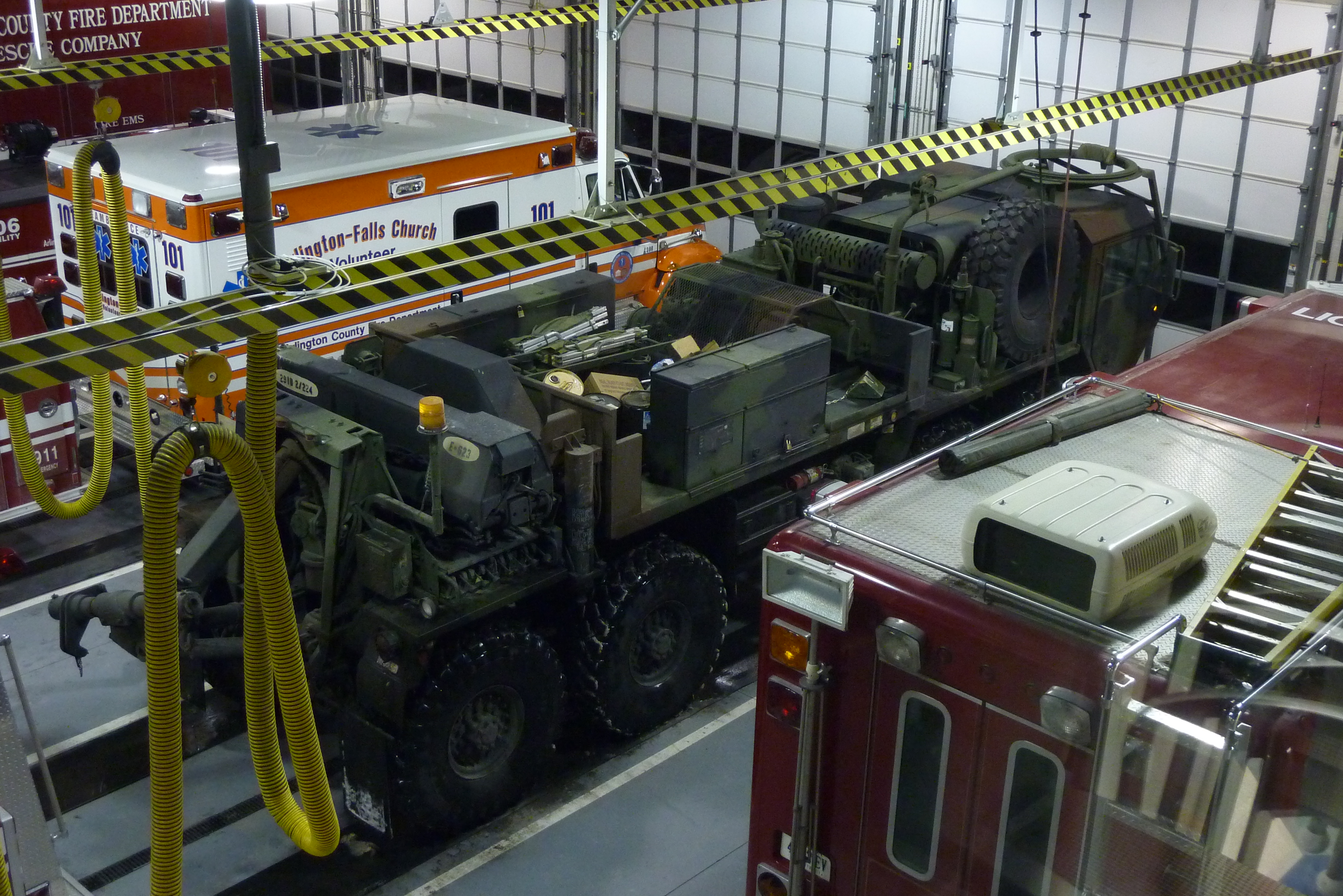
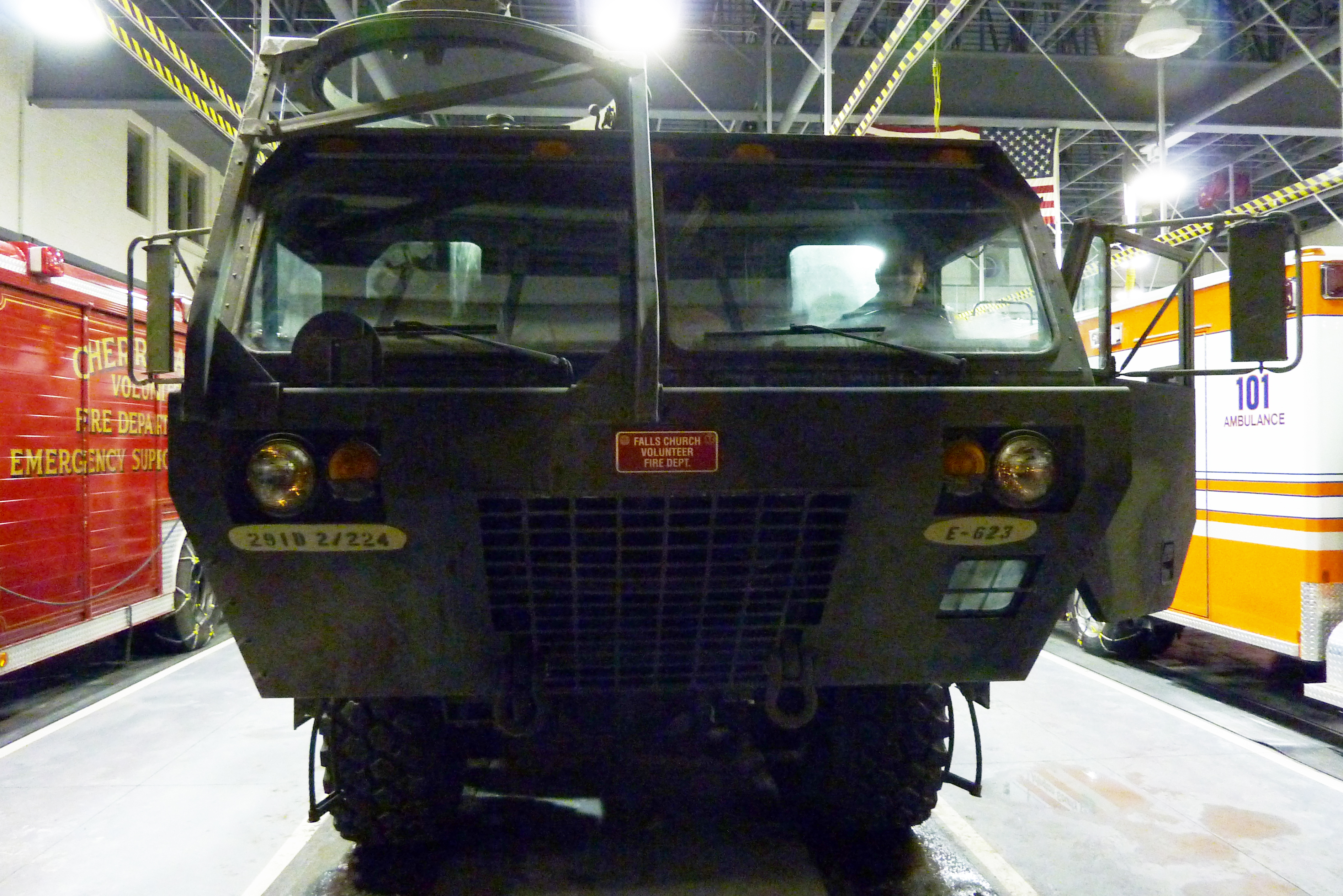
A Virginia National Guard heavy wrecker was assigned to Station 6 during the storm to assist ACFD units stuck in the snow.
Governor Bob McDonnell declared a state of emergency for the Commonwealth on Feb. 8.
A Virginia National Guard heavy wrecker at Station 6
FCVFD Fire Captain Steve Sisler, in his failed attempt to commandeer the vehicle and redesignate it as the new Chief’s Buggy
In the aftermath of the storm, the final stats for our department were as follows:
One memorable call I ran was an apparent malicious opening of a fire hydrant during the first storm on Feb. 6.
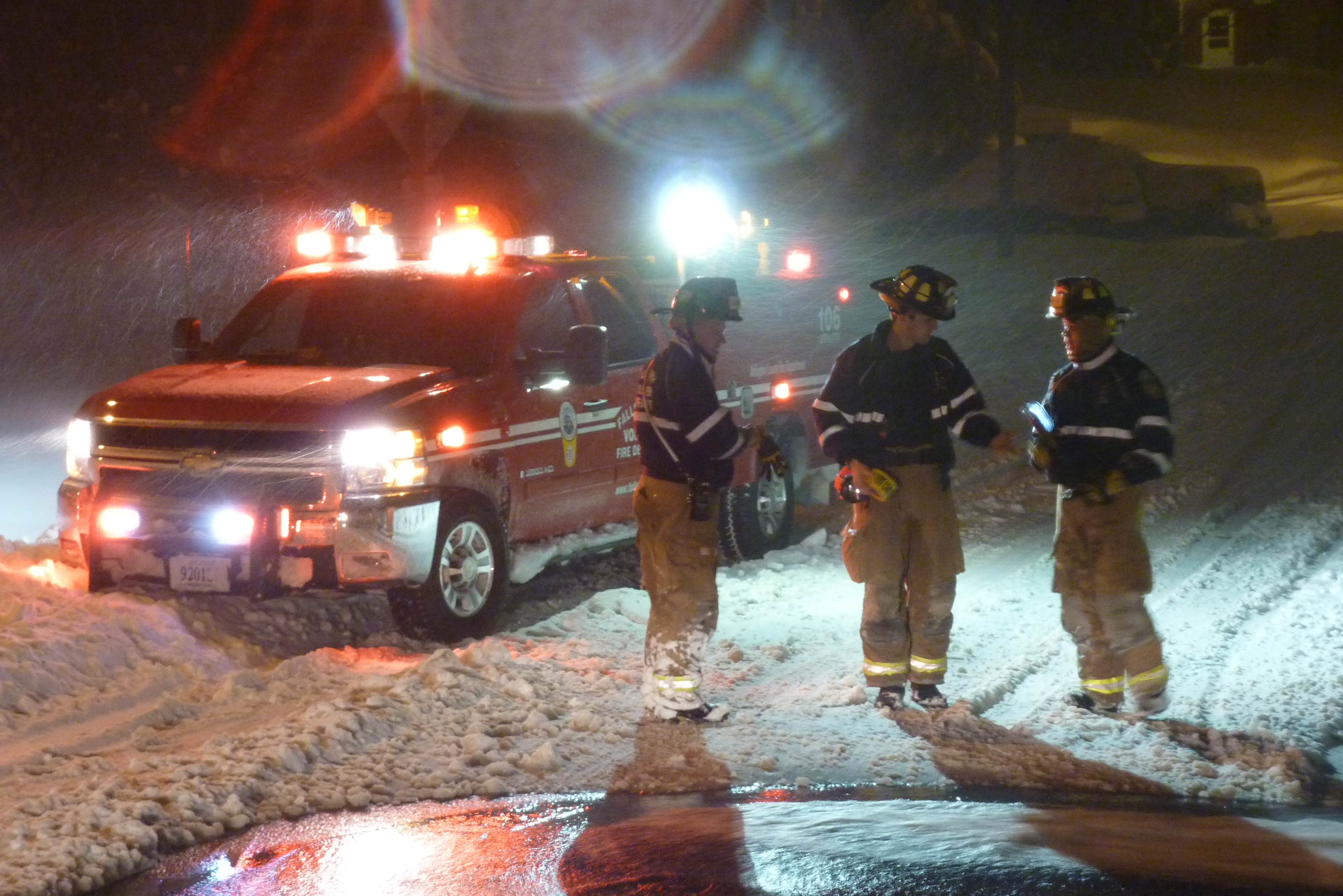
I was driving Utility 108 with FF Zures as the unit officer on our way back to the station after running a call for wires down in Station 3’s first due.
We were on the same road we took to the scene, and we had seen several teenagers playing in the snow with a snow sled.
We waved, and went on our merry way.
On our way back, we noticed water pouring into the street from the location where we had seen these kids.
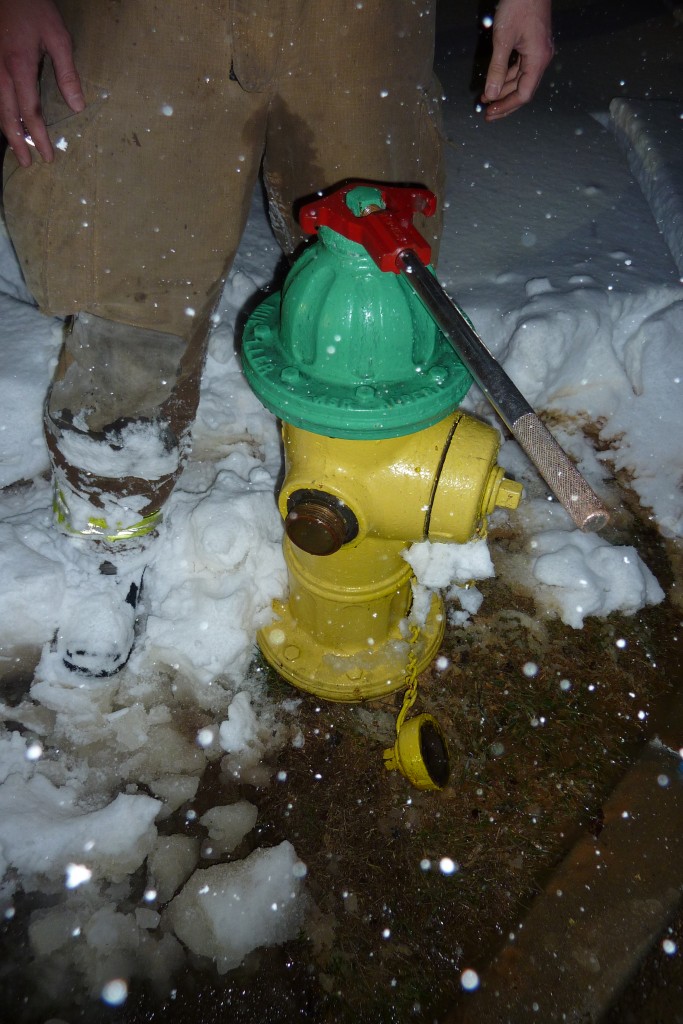
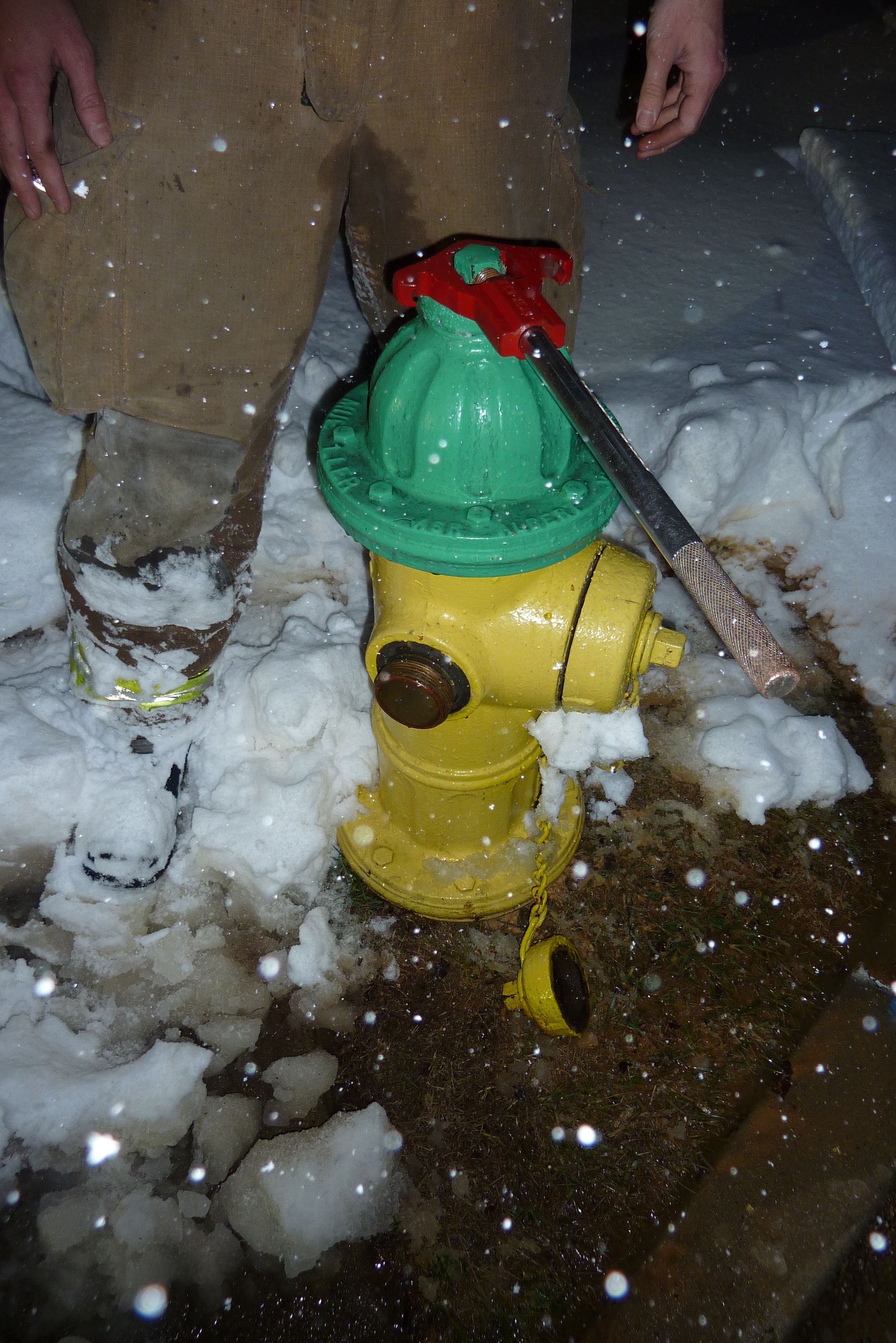
Upon scene size-up we discover that a fire hydrant near the location where the teenagers were playing in the snow with their sled had been open.
We had to call in Utility 106 to bring a hydrant wrench to shut the thing down.
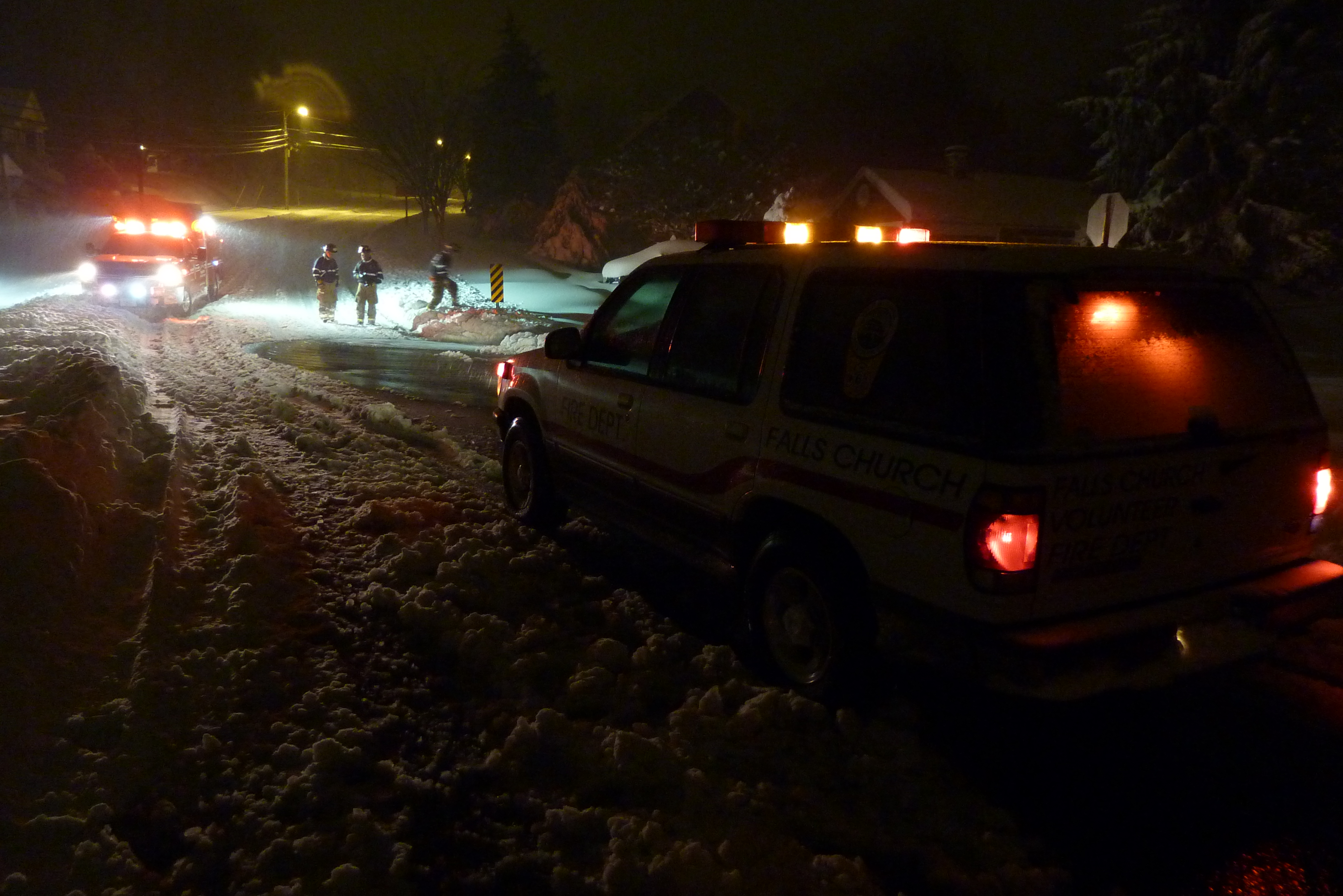
Utility 106 arrives on scene
Utility 108 securing the scene while Utility 106 secures the maliciously opened fire hydrant
The fire hydrant shut off
Later we heard that there was a tool going around among high schoolers in the area that could open fire hydrants.
FYI – only fire departments and public works have fire hydrant wrenches that can open and close fire hydrants. (at least, in theory)
I ran 16 calls with 66 hours of standby hours throughout the storm on UT 106 and UT116/108 as driver/operator.
And in a rare opportunity, I was also the acting officer for UT108 for a 12-hour shift.
Now some lessons learned from my experiences:
- BE CONCISE! (when giving a report to ECC over dispatch)
- Work on your territory
Here are some other photos and videos from the storm response:
OK, so the sequence of posts got a little weird, and I will make every effort to get some long overdue postings up to share with everyone.
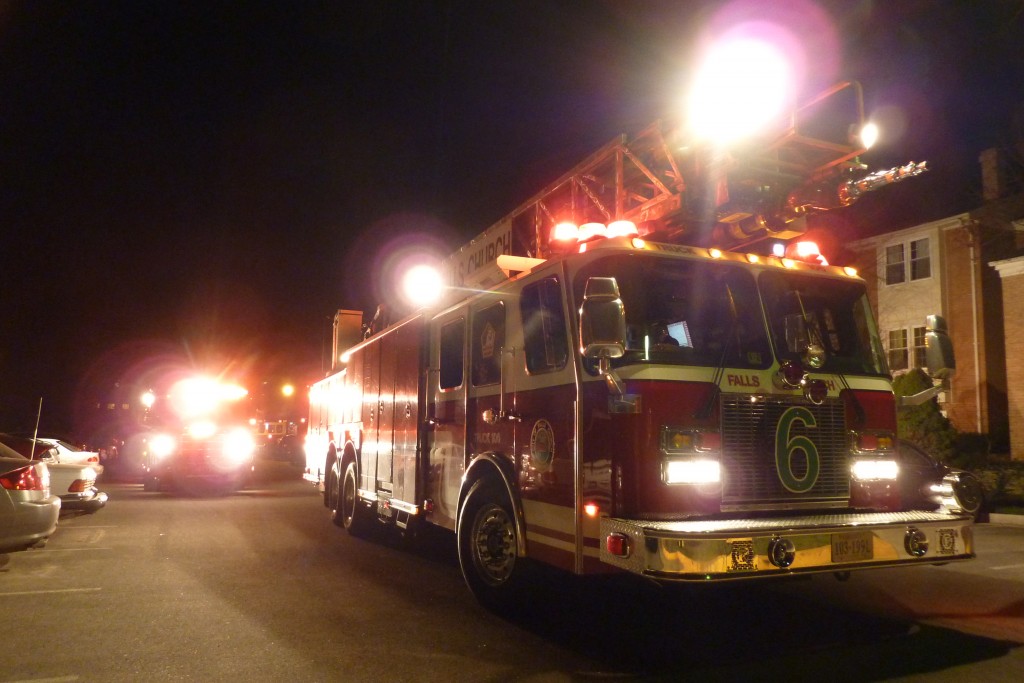
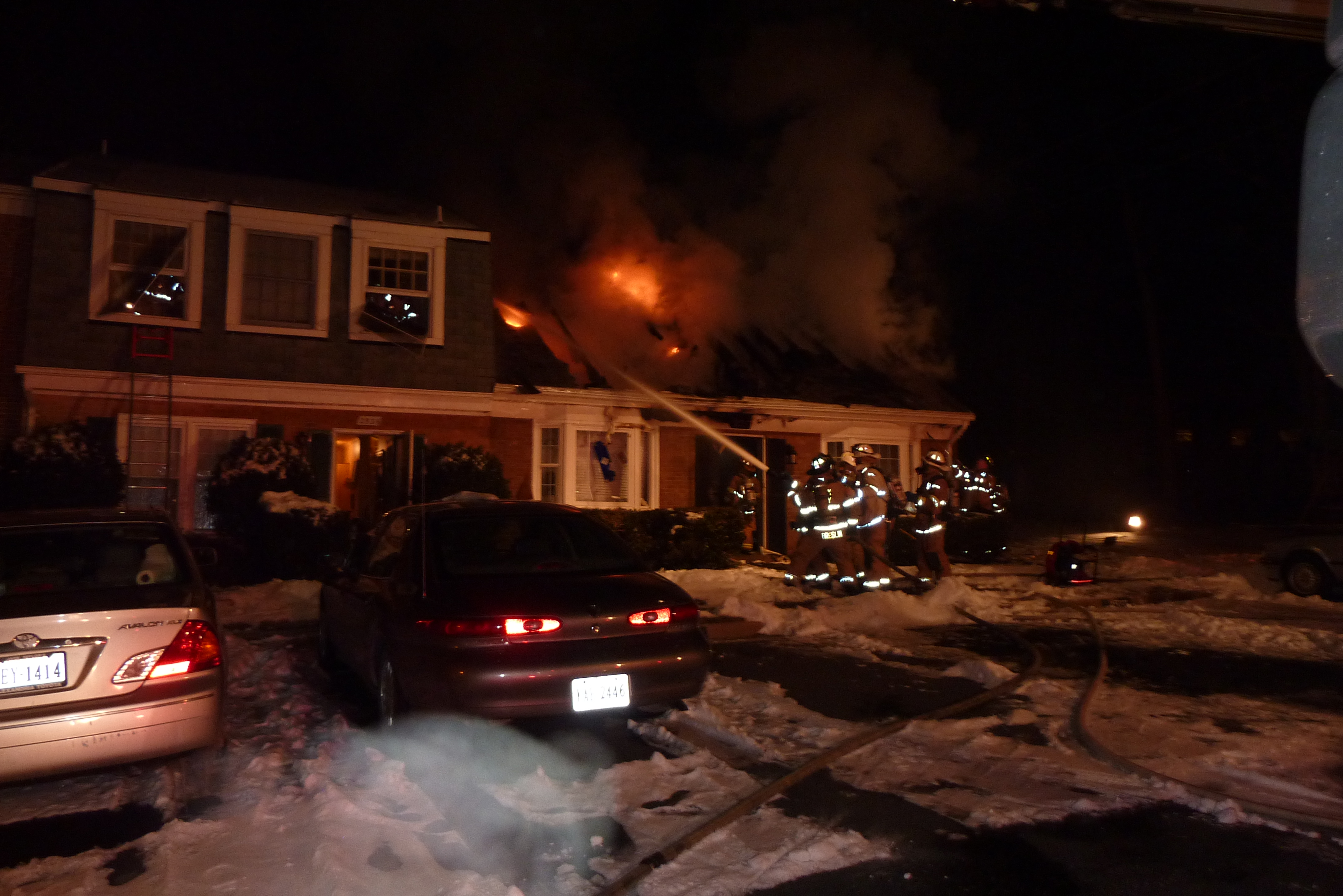
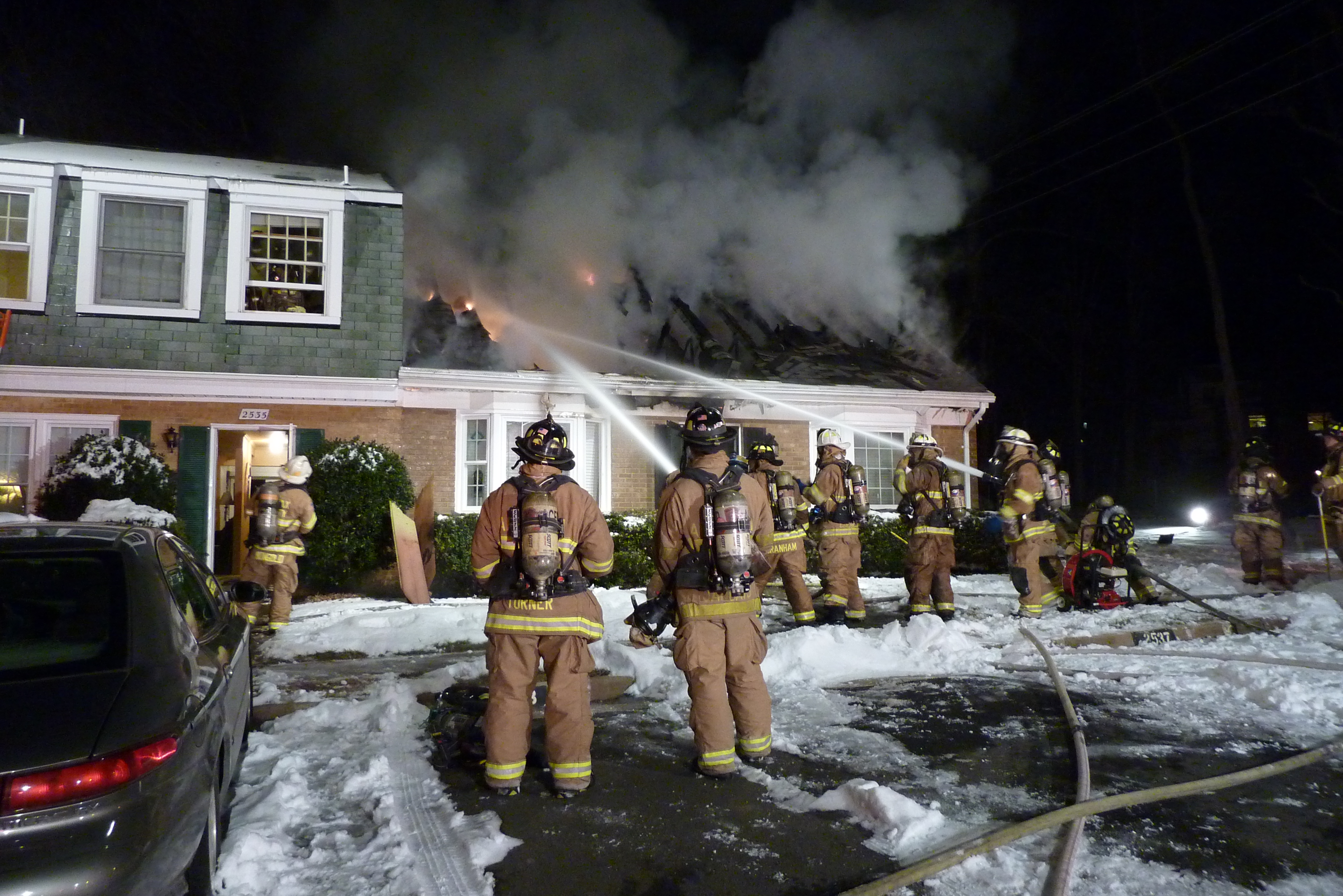
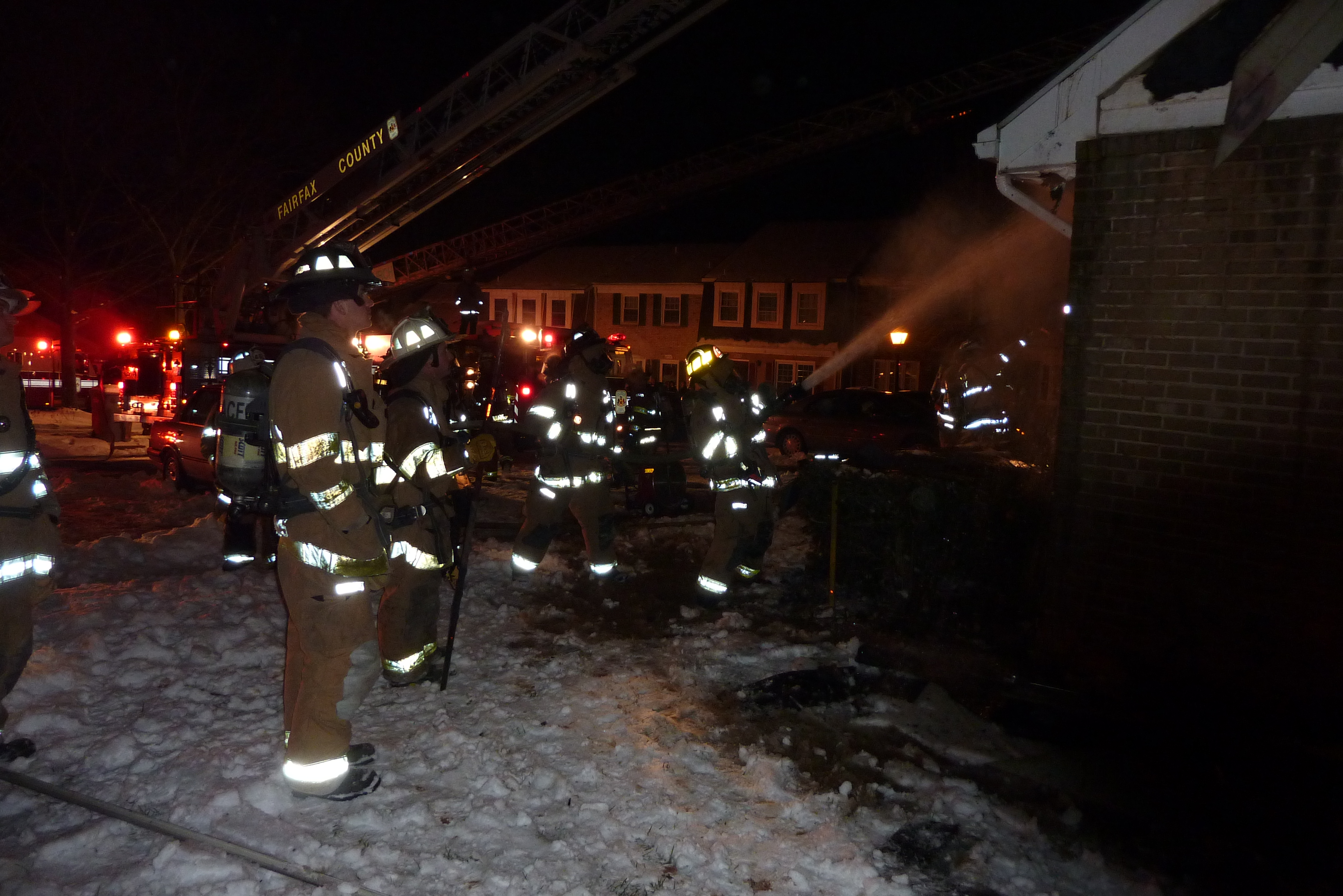
While on ACFD Engine 106 (E106) on Jan. 31, we were called out with Truck 106 (T106) to Box 3002 for a house fire.
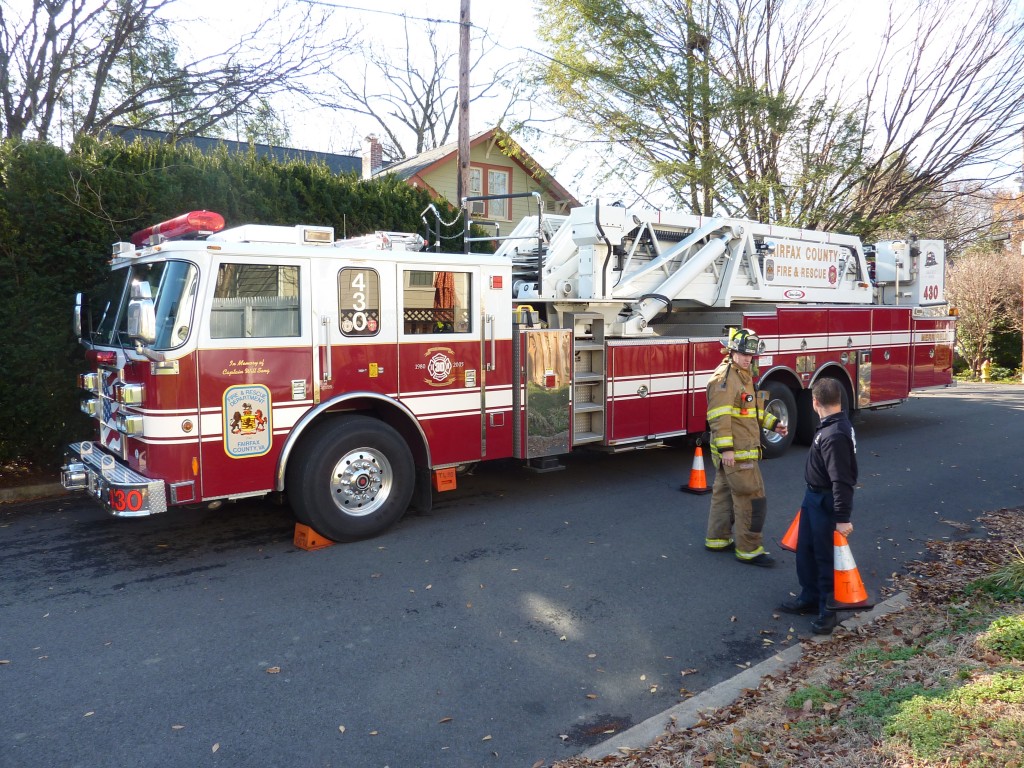
T106 arrived on scene as 2nd due truck after Fairfax Truck 430, while E106 was fourth due engine (rapid intervention team, RIT).
Initial size-up showed heavy smoke and fire from the first floor that extended up to the 2nd floor attic room.
The incident commander struck a 2nd alarm and called for defense operations from the exterior.
E106 staged on side A for RIT staging, while T106 worked on overhaul on side D.
As E106 was assigned RIT, I was augmented to the T106 crew to assist with external overhaul operations on Side D, as I was not yet certified to operate in IDLH (imminent danger to life and health) environments (i.e. in a burning building requiring SCBA).
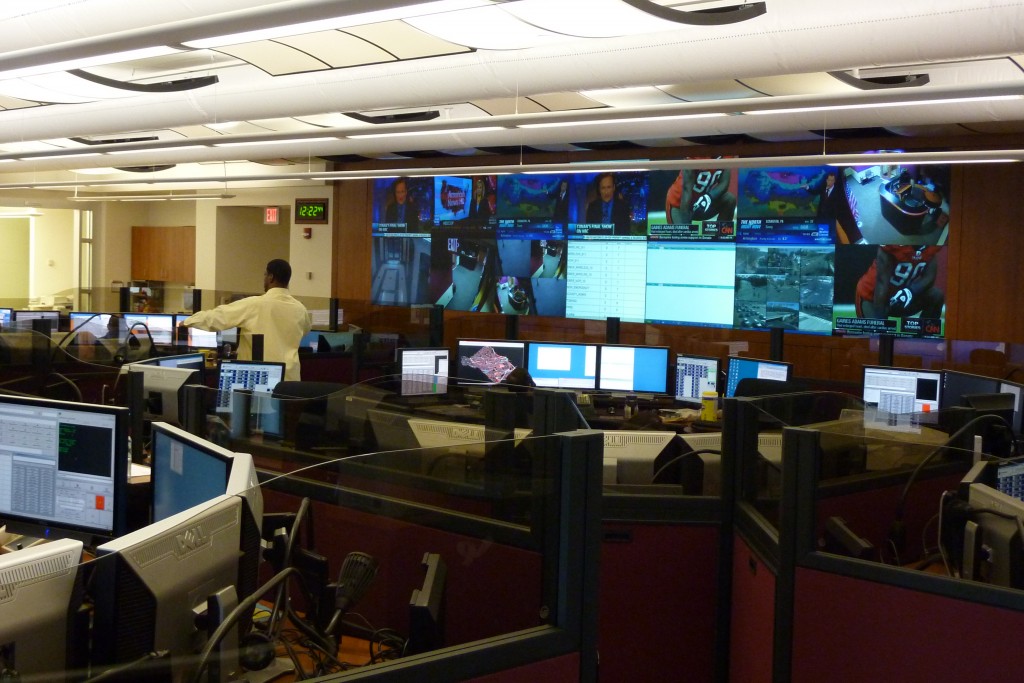
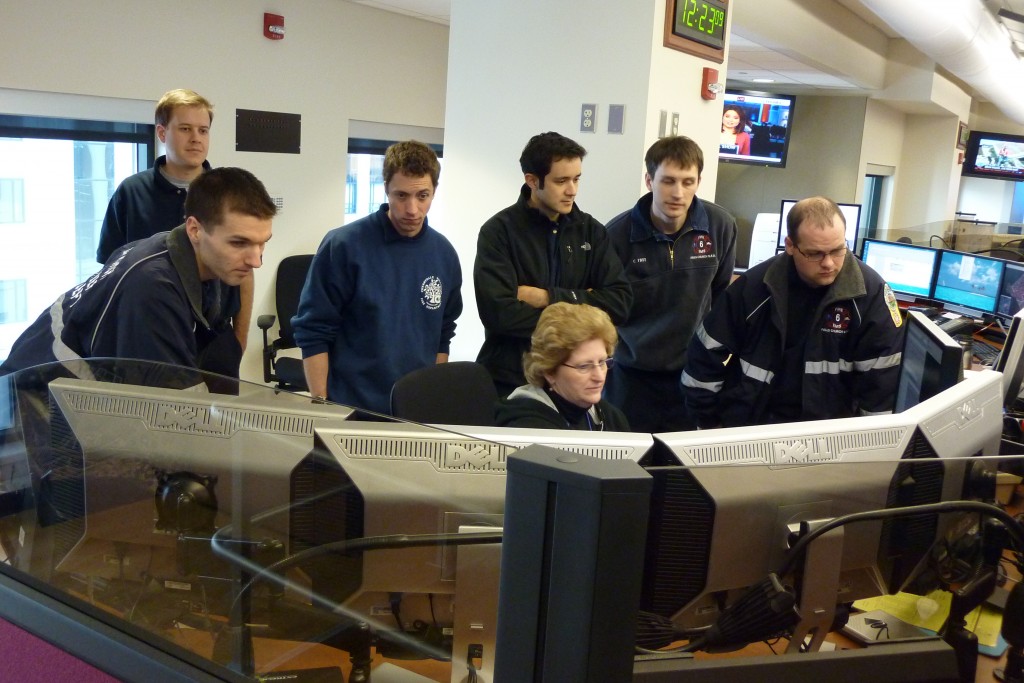
During our Communications Class portion of the FCVFD Fire School 2010, our instructor arranged a visit to the Arlington County Emergency Communications Center.
Here are some photos from the visit.
Note: Permission to take photos was granted.
The Arlington County Emergency Communications Center
An overview of the Ops Floor
Candidates of FCVFD Fire School 2010 watch a demonstration of a 9-1-1 dispatch
Here is an interesting article about an earthquake simulation ran by South Korea’s National Emergency Management Agency (NEMA).
NEMA ran an simulation for a 7.0 earthquake in southwest Seoul.
Here are the results:
– 50,451 people dead
– 621,780 people injured
– 47,0162 people displaced
– 929,230 out of 6,643,638 buldings damaged or destroyed
– 419,746 people dead or injured city-wide (Seoul)
– 206,782 people dead or injured province-wide (Kyeongki Province)
– 45, 364 people dead or injured city-wide (Incheon)
Given the extremely high population density in Seoul, (1/5 of the national population), these numbers are relatively low.
Regardless, the seer number itself is pretty high and would prompt some attention of lawmakers for more funding for response programs development, staffing of additional emergency response personnel, and training and grant programs for a nationwide preparedness and readines system.
One thing that I feel that South Korea could use some improvement on are national training certifications, such as EMT, firefighter, USAR, heavy technical rescue, etc.
Currently, you can only get these certifications through 2-year associates degree programs.
Increased access and standardized instruction and training programs could make ready a sizable population of well-trained people that can be called up during disaster or emergency situations.